Understanding The Used Pro Audio Market Like An Insider
Think of the used pro audio market as a bustling swap meet, constantly buzzing with activity. Unlike that old cell phone that's practically worthless a year after you buy it, pro audio gear often holds its value remarkably well. Sometimes, it even goes up! This creates a unique marketplace where smart buyers can snag amazing deals. But why are studios selling off their beloved equipment in the first place?
Why Studios Sell
Well, imagine a studio finally upgrading to that shiny new console they've been eyeing. Their older gear, still perfectly capable, suddenly becomes available. Or perhaps a studio is downsizing, maybe even closing its doors, leading to a fire sale of equipment. Sometimes, studios simply sell a few pieces to fund new purchases or because a certain piece is just gathering dust. All these scenarios create a continuous flow of used gear into the market, meaning you might just find equipment used on your favorite albums now available at a fraction of its original cost.
The Impact of Technology Cycles
New technology always rolls in eventually, and as it does, older gear becomes more affordable. But here's the thing: older doesn't mean obsolete. Think of those vintage analog compressors and equalizers. Many engineers swear by their unique sound, even with modern digital alternatives available. This creates a demand that can actually drive up prices of certain vintage pieces. Understanding these market forces can help you predict price fluctuations and pounce on good investment opportunities.
Market Growth and Regional Differences
The pro audio market, both new and used, is a big deal, and it's only getting bigger. In 2024, the global market was valued at about USD 16.32 billion, and it's projected to hit USD 25.83 billion by 2032, growing at a 5.9% CAGR. Discover more insights about the professional audio equipment market. This growth feeds the used market too, offering an even wider selection. Interestingly, regional differences shape the market. North America takes the lead, holding a 36.6% market share, a testament to the region's appetite for pro audio solutions. Europe, meanwhile, holds a 12.04% share, showcasing the global diversity of this market.
To better illustrate this regional diversity, let's take a look at the following table:
Professional Audio Equipment Market Size by Region
| Region | Market Share (%) | Revenue (USD Billion) | Key Characteristics |
|---|---|---|---|
| North America | 36.6 | (Calculated based on total market size and share. Approx. 5.96 in 2024) | High demand for cutting-edge technology, significant investment in R&D |
| Europe | 12.04 | (Calculated based on total market size and share. Approx. 1.96 in 2024) | Established pro audio industry, focus on high-quality audio production |
| Asia Pacific | (Data not available in provided text) | (Data not available in provided text) | Emerging markets with rapid growth potential |
| Rest of World | (Data not available in provided text) | (Data not available in provided text) | Diverse markets with varying levels of adoption and growth |
This table offers a quick glimpse into the market's regional dynamics. While accurate data for all regions isn't provided in the source material, it highlights the leading role of North America and the substantial presence of Europe in the professional audio equipment sector.
Finding Value in a Dynamic Market
Navigating this market is like treasure hunting. A sought-after vintage microphone in pristine condition will naturally command a higher price, while a less popular digital audio workstation might be a steal. You might be interested in: our guide on buying used audio equipment. Exploring different marketplaces is key, like Gearsupply's Community Listings. Browsing specific brands and categories can also help you understand current prices. By learning to spot real value and avoid inflated prices, you can build a professional studio without emptying your wallet.
Decoding Equipment Conditions That Actually Matter
Buying used pro audio gear can be a smart move, giving you access to high-quality equipment without the hefty price tag. But navigating the world of used gear can feel like exploring uncharted territory, especially when deciphering condition grading. A sparkling mixing console might look pristine on the outside, but hide internal gremlins. It's not like buying a used car where a dent is a dent. This infographic illustrates why buying used can be such a winning strategy:
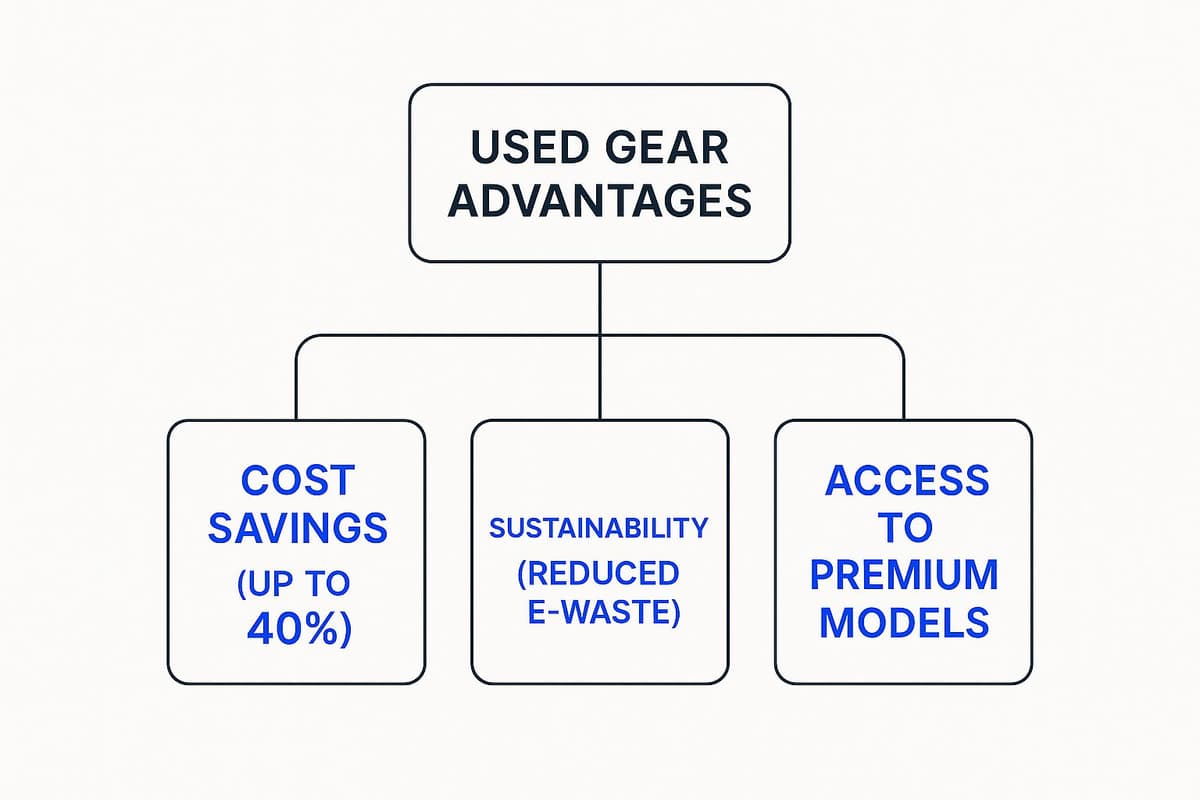
Cost savings are a major draw, often reaching a whopping 40%. This opens doors for more people to experience professional-grade equipment. Plus, you're contributing to a more sustainable world by reducing electronic waste.
Mint Condition: What It Really Means
"Mint condition" should, in theory, mean the equipment is practically brand new. Minimal signs of wear, perfect functionality – the whole nine yards. But in reality, "mint" can be subjective. Imagine buying a "mint condition" vintage guitar. It may never have been played, but decades in storage can affect the electronics. Similarly, a "mint" mixing console might have sat idle for years, potentially leading to dried-out capacitors or corroded connections.
Excellent vs. Good: Spotting The Subtle Differences
"Excellent condition" usually indicates minor cosmetic wear, like a few scratches, but with full functionality. Think of a rack-mounted compressor with some rack rash, but performing flawlessly. "Good condition," however, suggests more visible cosmetic imperfections and perhaps minor functional quirks. These quirks don't significantly impact performance. This could be a slightly noisy potentiometer on an equalizer or a faded display on a power amp. Often, these are easily fixable issues.
The Value of "Fair" Condition: Hidden Gems And Potential Pitfalls
"Fair" condition can present amazing value, depending on the equipment. Picture a classic analog compressor with worn knobs and a scratched faceplate. Cosmetically, it might be a bit rough around the edges, but sonically, it could be pure gold. This is where understanding the nuances of different gear becomes key. A beat-up analog compressor might sound incredible, but a "fair" condition digital audio interface with connectivity problems could be a headache. If you're unsure about an item's condition, always reach out to the seller for more details. You might also find our guide on selling used audio equipment helpful: our guide on selling used audio equipment.
To help you navigate the various condition grades, we’ve put together a handy table:
Professional Audio Equipment Condition Grades Explained
Comprehensive breakdown of equipment condition grades with descriptions and typical price ranges
| Grade | Condition Description | Typical Price Range | Best For |
|---|---|---|---|
| Mint | Like new, minimal signs of use, perfect working order | 80-95% of new price | Buyers wanting near-new equipment |
| Excellent | Minor cosmetic wear, full functionality | 60-80% of new price | Buyers seeking a balance of price and quality |
| Good | Noticeable cosmetic imperfections, minor functional quirks that don't majorly impact performance | 40-60% of new price | Buyers comfortable with minor repairs or cosmetic flaws |
| Fair | Significant cosmetic wear, potential functional issues, may require repairs | 20-40% of new price | Experienced buyers looking for project pieces or rare finds |
This table provides a general overview, and actual prices can vary based on brand, model, and market demand. Remember to always do your research before making a purchase.
The Importance Of Due Diligence
Understanding the condition of used pro audio equipment takes careful research and inspection. Explore reputable marketplaces like Gearsupply to compare prices and conditions. Browse specific brands like Yamaha or categories like audio mixers to get a better sense of market values. The more information you have, the better prepared you'll be to make smart purchasing decisions. This brings us to the essential topic of inspection techniques, which we'll cover in the next section.
Essential Inspection Techniques That Prevent Costly Mistakes
Think of inspecting used pro audio gear like being a detective on a case. It's not just about plugging it in and hoping for sound. You're searching for clues, hints about the gear's history, and signs of its future performance. This careful approach can save you from expensive repairs later on. Imagine putting on your audio forensic gloves, ready to uncover hidden issues that others might miss.
Visual Inspection: More Than a Quick Once-Over
Begin with a thorough visual check. Look beyond the obvious scuffs and scratches. Scrutinize connectors for corrosion or bent pins. Are there loose screws or missing parts? These small details can speak volumes about how well the equipment has been treated and may hint at underlying problems. For example, a thick layer of dust inside might suggest neglect, while rusty screws could indicate water damage.
Imagine you're buying a used car. You wouldn't just look at the shiny paint, right? You'd check under the hood, examine the tires, and look for signs of wear and tear. Used pro audio gear is no different.
Functional Testing: A Keen Ear Is Your Best Tool
Next, it's time for functional testing. This goes beyond just powering on the device. With amplifiers, listen for any crackling or popping, a possible sign of failing solder joints. For mixers, test each channel individually. Check the smoothness of the faders and make sure all the knobs, buttons, and meters work correctly. A faulty channel can seriously disrupt your workflow. When testing used professional audio equipment like speakers, listen for distortion or buzzing at different volumes. This could point to damaged drivers or crossover components.
Deeper Diagnostics: Unmasking Hidden Problems
For more complicated gear, consider deeper diagnostics. When checking out monitors, running swept tones can reveal frequency response issues, potentially indicating damaged components. If you're inspecting a power amplifier, a multimeter Multimeter can detect slight voltage variations, which might suggest power supply problems. For more insights, check out our blog post on professional audio equipment repair for common repair and troubleshooting tips. These advanced techniques are especially important with high-end used professional audio equipment where subtle flaws can significantly affect performance.
Real-World Example: A Cautionary Tale
Consider this: An experienced audio engineer bought a used mixing console that seemed flawless during the initial test. Weeks later, he discovered intermittent dropouts on one channel. A loose internal connection, not visible at first, was the culprit. This underscores the importance of a thorough inspection, as hidden issues can surface over time. Learn from these stories and prevent costly surprises.
Developing a Systematic Approach
A systematic approach to inspection is key. Create a checklist specific to each type of gear. Include visual checks, functional tests, and deeper diagnostics. This checklist acts as your roadmap, ensuring you don't miss critical steps. For example, when inspecting a microphone, your checklist might include:
- Checking the grille for dents
- Testing the cable
- Listening for any noise or distortion
This method leads to smarter buying decisions and avoids unexpected expenses. Gearsupply offers a wide selection of used professional audio equipment. Browse by brand or category. Our blog provides additional tips and guides.
Navigating Warranties And Returns Without Getting Burned
Buying used pro audio gear can save you a bundle, but warranties and returns can be tricky. Manufacturer policies vary widely, and dealers range from offering solid guarantees to selling "as-is." Understanding this landscape is key to protecting your investment.
Decoding Manufacturer Warranties
Some manufacturers, like Yamaha, honor the original warranty even after resale. This is fantastic for buyers, providing continued coverage for a set time. However, this isn't always the case. Many warranties are non-transferable, meaning they only apply to the original owner.
Before buying, check the manufacturer's website or contact their customer service to understand their policy. This can prevent surprise repair bills later. It's interesting to note that Yamaha holds a 21% market share in the pro audio world, fueled by demand for high-quality audio and wireless tech. This report offers more insights. Knowing which brands have a strong market presence can give you more confidence in their support and warranty policies.
The Power of Dealer Warranties
Dealer warranties can be a lifesaver when manufacturer coverage is limited or nonexistent. Some dealers offer their own warranty, ranging from a few weeks to a year or more. Surprisingly, some dealer warranties are even better than the original manufacturer's. For example, a dealer might cover repairs for parts known to fail on vintage gear, even if the manufacturer's warranty expired.
This added protection can offer real peace of mind, especially with older or more complex used gear. Before buying, understand the dealer warranty terms. What's covered? What's not? Knowing these specifics helps you negotiate and avoid potential issues.
Negotiating for Better Coverage
Don't hesitate to negotiate warranty coverage, even if it's not initially offered. A polite conversation with the seller can often lead to a win-win. You could propose splitting the cost of an extended warranty, especially for a large purchase.
Alternatively, you might suggest a shorter return period for a longer warranty. Showing you're a serious buyer who understands the equipment can strengthen your position. A seller willing to offer a warranty shows confidence in their product's quality.
Protecting Yourself When Warranties Are Unavailable
When warranties aren't possible, a good return policy is your backup plan. A seller offering a reasonable return period demonstrates faith in their product. A return policy lets you test the equipment in your studio and return it if it's not right for you.
Make sure you understand the return policy’s terms, including restocking fees and shipping costs. Document the equipment's condition when it arrives, with photos and videos. This protects you in case of any disagreements. See our blog for more tips and explore gear by brand or category on Gearsupply. By grasping these details, you can navigate the used equipment market with confidence and find the right balance between risk and savings.
Where Smart Buyers Actually Find The Best Deals
Scoring a great deal on used pro audio gear is a bit like searching for buried treasure. It's more than just browsing the typical online marketplaces. Smart buyers know the real steals are often tucked away in unexpected places. Imagine it like this: sometimes the richest fishing grounds aren’t the packed public docks, but the secluded, less-fished inlets.
Beyond the Obvious: Unveiling Hidden Gems
Outside the well-trodden online platforms lies a world of potential bargains. Rental companies, for instance, occasionally refresh their inventory, selling lightly used gear at tempting prices. Broadcasting stations upgrading their systems often offload perfectly good older models – a potential goldmine for budget-minded buyers. Even venturing into international markets can unearth surprises, particularly when exchange rates shift in your favor.
Timing Is Everything: Strategic Buying Strategies
Seasoned buyers have a feel for the market’s pulse. They know that studios often sell gear after wrapping up big projects or during periods of downsizing. Industry events can also spark opportunities, as sellers sometimes offer special promotions or clear out stock. Even seasonal trends, like the end of the fiscal year or tax season, can sway prices.
Seller Types: Understanding Motivations
The kind of seller you're dealing with can have a big impact on the price. Music stores with overhead expenses may have less wiggle room than individual sellers. Individual sellers eager for a fast sale often present more competitive prices. Knowing the difference between dedicated sellers and casual resellers is vital for snagging the best offers. For example, a seller listing multiple similar items might be a reseller seeking a quick profit, whereas a seller offering a single, well-cared-for piece is likely the original owner.
Marketplace Analysis: Decoding Pricing Dynamics
Every marketplace has its own unique character and pricing patterns. Online forums and communities can offer valuable clues about current market values and negotiating tactics. Check out our guide on how to find the best audio equipment deals for additional tips. Doing your homework lets you spot unreasonable pricing and zero in on genuine bargains.
Patience and Persistence: The Keys to Exceptional Finds
Uncovering truly exceptional deals takes time and dedication. It involves regularly checking listings, connecting with sellers, and being prepared to move fast when the right opportunity appears. This might mean setting up email alerts for specific equipment or routinely browsing classifieds and forums.
The Future of Professional Audio
The professional audio market is currently experiencing robust growth, with a projected compound annual growth rate (CAGR) of 6.5% between 2025 and 2030. This points to a healthy future for pro audio, fueled by technological advancements and increased demand in areas like public address systems and sports venues. Discover more insights into the professional audio market. And speaking of protecting your investment, be sure to explore options like insuring items in storage, especially when considering warranties and returns. By blending market knowledge with smart buying strategies, you can find high-quality used pro audio gear without breaking the bank. Browse Gearsupply's extensive collection of used pro audio gear, explore equipment by brand, or check out specific categories to start your search.
Smart Investment Strategies For Different Gear Categories
Not all used pro audio gear ages the same. Some pieces, like a prized vintage guitar, hold their value incredibly well, even appreciating over time. Others, however, can depreciate quickly, becoming technologically outdated before you know it. Understanding this difference is key to making smart investments in the used gear market. It's the kind of knowledge that separates the seasoned pros from those who end up with a collection of expensive, unusable equipment.
Microphones: Vintage Gems Vs. Modern Marvels
Think of vintage microphones like classic cars. Certain models, particularly sought-after tube microphones, can actually increase in value thanks to their unique sonic characteristics and historical significance. But this isn't a blanket rule for all vintage mics. Condition is everything. A beat-up, neglected vintage mic might be more of a restoration project than a bargain. Modern microphones, especially condenser mics, tend to depreciate more like typical electronics. While they might not gain value, they often deliver excellent performance at a fraction of their original price on the used market.
Mixing Consoles: Analog Resilience Vs. Digital Dilemmas
Analog mixing consoles often hold their value better than their digital counterparts. This is partly because some engineers just love their sonic qualities and hands-on feel. They’re like well-built furniture, potentially lasting decades with proper care. Digital mixing consoles, however, are more vulnerable to becoming outdated. Software updates might stop, features become obsolete, and repairs can be a real headache. They're more like computers – powerful tools, but with a shorter lifespan in the fast-paced tech world.
Outboard Gear: Timeless Classics Vs. Fleeting Trends
When it comes to moving your gear around, think about the convenience of a service like mini bus hire. Outboard gear, such as compressors, equalizers, and effects processors, is a bit of a mixed bag. Some classic analog units, prized for their unique sound, can become highly sought after on the used market. But more specialized or trendy digital outboard gear can depreciate quickly. Think of it like fashion – some styles are timeless, while others fade fast.
Speakers and Amplifiers: The Durability Factor
Speakers and amplifiers, both powered and unpowered, usually depreciate at a moderate rate. Their value is linked more to their build quality and how well they continue to work rather than rapid technological change. They're like reliable appliances – built to last with the right care.
The Total Cost Of Ownership
Beyond the initial price tag, think about the total cost of ownership. Will replacement parts be easy to find down the line? Is software support still available for digital pieces? Are there upgrade options? These things can significantly impact the long-term value of your investment. The global audio equipment market is pretty robust and is expected to grow from USD 66.62 billion in 2024 to USD 69.91 billion in 2025. Discover more insights into the audio equipment market. This growth shows a healthy market for both new and used pro audio equipment, providing plenty of options for smart buyers. You can snag some great deals on used gear from different brands on platforms like Gearsupply. Check out specific categories like audio mixers or browse specific brands like Yamaha. For extra tips, check out Gearsupply's blog. By understanding how depreciation, obsolescence, and long-term maintenance play a role, you can create a smart investment strategy to build a professional setup without breaking the bank.
Your Action Plan For Used Audio Equipment Success
So, we've covered a lot about buying used pro audio gear. Now, let's put it all together into a practical plan – a roadmap to guide you from browsing to confidently buying.
Building Your Used Gear Acquisition Strategy
Think of this plan as your toolkit, equipping you to evaluate opportunities quickly and effectively. It combines checklists, negotiation strategies, and smart decision-making.
Set a Realistic Budget: Just like planning a road trip, you need to know how much fuel you can afford. Figure out how much you can comfortably spend to avoid overspending and focus your search.
Prioritize Your Needs: Make a list of the equipment you need most, starting with the core components of your setup. This prevents impulse buys, like having a grocery list helps you avoid grabbing unnecessary snacks.
Research Thoroughly: Knowledge is power in the used gear world. Explore marketplaces like Gearsupply to get a feel for pricing trends. Resources like our blog offer helpful advice. Dive into specific brands like Yamaha or categories like mixers to understand the current market.
Develop Patience: Finding the perfect piece of used equipment takes time. Think of it like waiting for the perfect wave – the best opportunities often require patience. Don't rush into a purchase.
The Inspection and Negotiation Process
Once you've found some potential gear, it's time to put on your detective hat. This stage is crucial for avoiding costly mistakes.
Detailed Inspection Checklist: Use the inspection techniques we discussed and create a checklist tailored to each type of equipment. It’s like a pre-flight check for an airplane – ensuring everything is working before takeoff. This meticulous approach helps uncover hidden issues.
Negotiation Tactics: Don't hesitate to negotiate. A polite conversation can often result in a better price or even extra warranty coverage. Think of it like haggling at a flea market – a little friendly back-and-forth can save you money.
Warranty and Return Policies: Understand the seller's policies. A solid warranty or return policy protects your investment and acts as a safety net if something goes wrong.
Building Your Setup Over Time
Building a professional audio setup is a marathon, not a sprint. A gradual approach maximizes your budget and allows you to acquire quality equipment strategically.
Realistic Timeline: Set achievable goals for acquiring equipment. Begin with the essentials and expand your setup gradually, much like building a house – starting with the foundation and adding rooms over time.
Networking: Connect with other audio professionals. It’s like joining a community of like-minded individuals who can share knowledge and resources. This can open doors to off-market deals and invaluable advice.
Patience vs. Urgency: Find the balance between waiting for the ideal piece and seizing a great deal when it appears. Don’t let a great opportunity slip away while waiting for something potentially marginally better.
By following these steps, you can transform your audio setup with high-quality used gear. Smart purchasing decisions unlock professional capabilities at a fraction of the cost of buying new. Ready to begin? Explore the wide selection available on Gearsupply.